
Japanese plant stands, crafted from metal, offer a captivating blend of aesthetics and functionality. Their design often incorporates elements of minimalist elegance and traditional Japanese artistry, creating a unique focal point in any space. From delicate, contemporary pieces to robust, traditional designs, these stands seamlessly integrate with diverse interior styles, showcasing a wide range of design considerations and use cases.
This exploration delves into the intricacies of Japanese metal plant stands, examining everything from their design inspirations and materials to manufacturing processes, environmental impact, and pricing. Understanding these facets allows for informed choices, whether you’re a seasoned interior designer or a home enthusiast seeking to enhance their living space.
Design Considerations
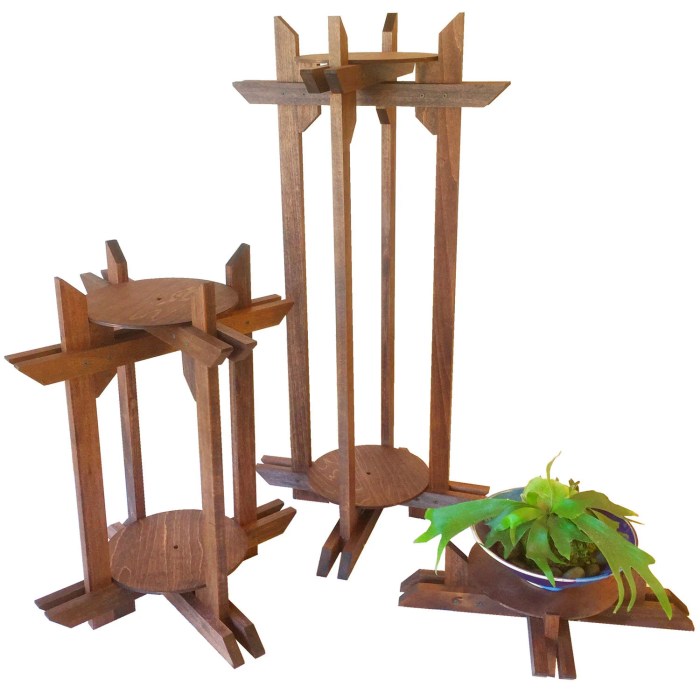
Japanese plant stands, crafted from metal, offer a unique blend of practicality and aesthetic appeal. Their design often draws inspiration from traditional Japanese aesthetics, emphasizing simplicity, harmony, and the natural world. The careful consideration of materials, proportions, and decorative elements contributes significantly to the overall visual impact and functional suitability of the stand. This section explores these crucial design elements.The successful design of a metal plant stand hinges on a deep understanding of its intended function and the desired aesthetic.
This involves careful selection of materials, thoughtful consideration of proportions, and innovative approaches to decorative elements.
Aesthetic Styles
The aesthetic of a Japanese plant stand can range from minimalist to elaborate, reflecting a variety of design sensibilities. A minimalist style emphasizes clean lines and simple forms, while a traditional style might incorporate intricate patterns or motifs. Contemporary designs often push the boundaries of form and function, showcasing the versatility of metalworking. Examples of these styles include:
- Minimalist: Characterized by smooth surfaces, geometric shapes, and a focus on functionality over ornamentation. This style creates a modern, uncluttered appearance, making it suitable for a wide range of interior spaces.
- Traditional: Drawing inspiration from traditional Japanese design elements, such as latticework or subtle carvings, this style evokes a sense of serenity and tranquility. These often feature natural forms and subtle color palettes.
- Contemporary: Pushing the boundaries of design with unconventional shapes and unique material combinations, this style creates a statement piece. The emphasis is often on creating a unique visual narrative.
Materials
The choice of metal significantly impacts the plant stand’s durability, corrosion resistance, and visual appeal. Various metals offer different strengths, textures, and finishes, which can dramatically alter the aesthetic.
- Steel: A strong and versatile material, steel can be easily formed into various shapes and finishes. Its durability makes it ideal for supporting heavier plants. Different finishes, from polished to rustic, can drastically change the visual impact. Stainless steel offers excellent corrosion resistance, making it a popular choice for outdoor applications.
- Aluminum: Known for its lightweight nature, aluminum stands are ideal for showcasing larger plants. Its strength-to-weight ratio makes it suitable for tall or elaborate designs. Anodized aluminum can be finished in a variety of colors and offer good corrosion resistance.
- Iron: Iron stands, especially wrought iron, offer a rich, traditional aesthetic. Its natural patina, which develops over time, creates a unique and rustic charm. While less corrosion resistant than other metals, iron stands can be treated to enhance durability.
Proportion and Scale
The proportion and scale of a plant stand are crucial for its aesthetic appeal and functionality. A well-proportioned stand complements the plant it holds and the surrounding space. It must also balance the weight of the plant with the stand’s structure. This is crucial for preventing instability and ensuring the stand’s longevity.
- Scale: The size of the stand should be proportionate to the size of the plant and the space where it will be placed. A large stand for a small plant will appear out of proportion, while a small stand for a large plant will struggle to support its weight.
- Balance: The distribution of weight and mass across the stand is critical. An uneven distribution can lead to instability, potentially causing damage to the plant or the stand itself.
Attachment of Decorative Elements
Various methods exist for attaching decorative elements to a metal plant stand. The chosen method depends on the type of metal, the decorative element, and the desired aesthetic.
- Welding: A strong and permanent method, welding is suitable for attaching heavier decorative elements or intricate metalwork to the frame. It’s crucial to choose the right welding technique to ensure a secure and visually appealing connection.
- Bolting: A versatile method, bolting is suitable for attaching smaller decorative elements or those that need to be easily removable. Appropriate bolts and fasteners should be chosen to match the metal and decorative element.
- Soldering: A relatively low-temperature method, soldering is suitable for attaching smaller decorative elements, such as intricate patterns or decorative accents. It creates a strong and aesthetically pleasing connection.
Functionality and Use Cases
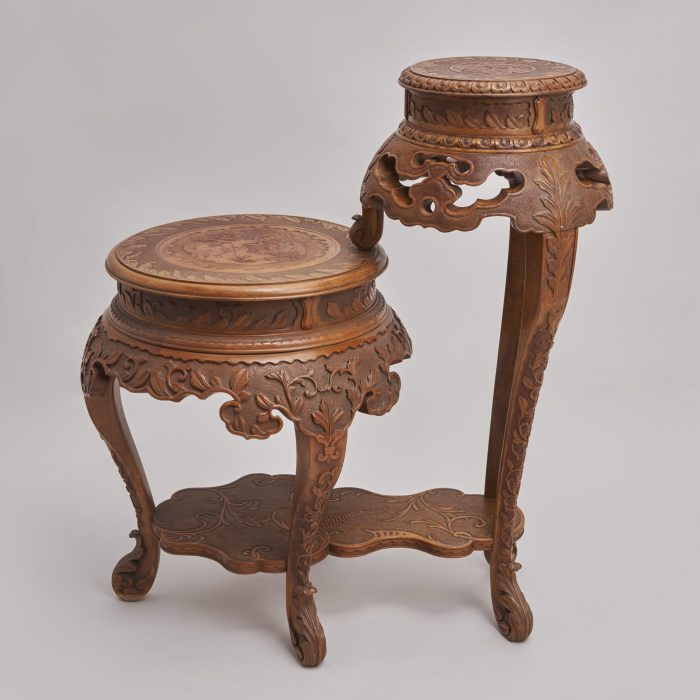
Metal plant stands, particularly those designed in the Japanese aesthetic, offer a versatile platform for enhancing indoor and outdoor spaces. Their enduring strength and refined design elements complement a wide range of plant types and interior design styles. Beyond simple aesthetics, these stands serve practical functions, elevating plant care and presentation.Japanese-inspired metal plant stands, with their emphasis on clean lines and minimalist design, are well-suited for various environments, from the tranquil atmosphere of a home office to the vibrant energy of a modern living room.
Their durability and inherent style ensure they remain relevant and valuable additions to any space.
Plant Stand Design Variations
Various designs cater to different plant types and spatial needs. The choice of style, dimensions, and features significantly impacts the functionality and overall aesthetic.
| Style | Dimensions | Features | Suitable Plants |
|---|---|---|---|
| Modern Minimalist | Height: 24 inches, Diameter: 18 inches | Powder-coated steel, single-tiered, simple base | Succulents, air plants, small ferns |
| Traditional Japanese | Height: 30 inches, Diameter: 20 inches | Hand-hammered metal, two-tiered, integrated drainage | Small bonsai trees, flowering plants, cascading ivy |
| Rustic Industrial | Height: 36 inches, Diameter: 24 inches | Iron metal, three-tiered, exposed rivets, hooks for hanging baskets | Larger leafy plants, herbs, tropical houseplants |
| Contemporary Geometric | Height: 20 inches, Diameter: 15 inches | Polished metal, sculptural design, multiple tiers with varying heights | Small orchids, cacti, herbs in containers |
Benefits in Different Settings
Metal plant stands, especially those with Japanese design influences, offer significant advantages in various settings:
- Homes: Metal stands add a touch of sophistication and understated elegance. They provide a practical way to display plants in various rooms, from living rooms to bedrooms, enhancing the visual appeal and creating a calming atmosphere.
- Offices: Plant stands can improve indoor air quality, boost employee morale, and contribute to a more welcoming and productive work environment. Metal stands offer a modern and clean look, integrating well into contemporary office settings.
- Gardens: Metal stands can elevate garden decor, showcasing plants in a stylish and organized manner. They provide a durable and weather-resistant platform for outdoor displays.
Interior Design Integration
The choice of metal plant stand can complement and enhance a specific interior design theme:
- Modern Minimalist: A sleek, minimalist metal stand with clean lines will seamlessly integrate with modern furniture and décor. The emphasis on simplicity allows the plants to be the focal point.
- Bohemian Chic: A rustic, wrought-iron stand with decorative details can add a touch of bohemian flair. The natural texture and design will complement the eclectic mix of textures and patterns.
- Japanese Zen: A traditional, hand-hammered metal stand will perfectly match the serene and minimalist aesthetic of a Japanese Zen-inspired space. The natural color palette and understated design will enhance the tranquil ambiance.
Suitable Plants for Japanese Metal Stands
The Japanese aesthetic lends itself to a variety of plant types, including:
- Bonsai trees: The miniature trees’ delicate branches and intricate forms perfectly complement the refined aesthetic of a Japanese metal stand. Their care and presentation highlight the artistry of the stand’s design.
- Succulents and cacti: These low-maintenance plants thrive in the well-drained conditions provided by many metal stands. Their varied shapes and textures offer visual interest.
- Air plants: Their delicate forms and ability to thrive in a variety of environments make them a suitable choice for metal stands. Their unique beauty complements the clean lines of a metal design.
- Flowering plants: A metal stand provides a stylish backdrop for showcasing vibrant flowers, enhancing the space’s aesthetic appeal and providing a touch of color.
Manufacturing and Production
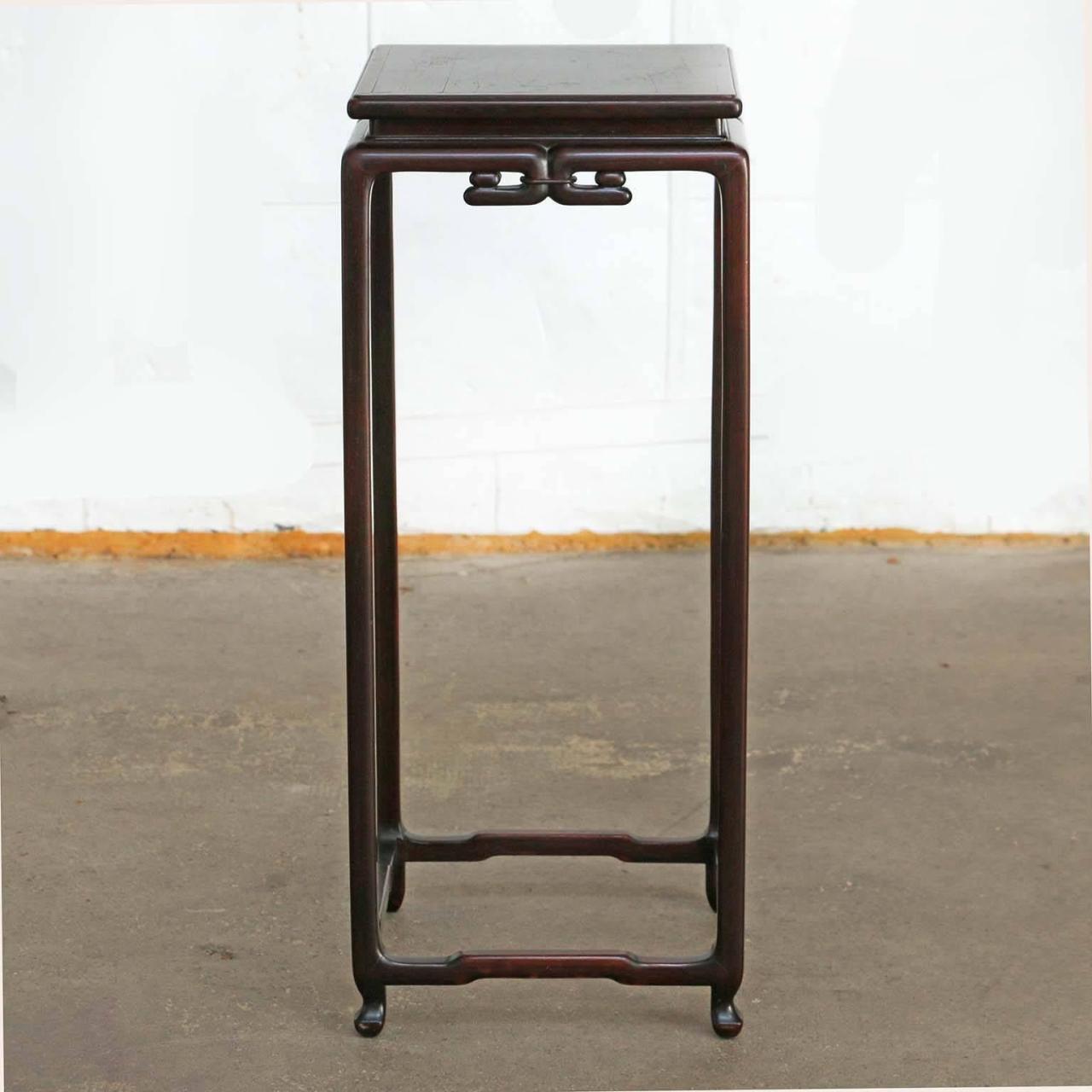
Japanese-style metal plant stands, prized for their aesthetic appeal and durability, demand meticulous manufacturing processes. The choice of materials, welding techniques, and finishing methods directly impact the final product’s quality and cost. Understanding these factors is crucial for both manufacturers and consumers seeking high-quality, enduring pieces.Crafting these stands requires a careful consideration of material properties, shaping techniques, and cost optimization.
Different manufacturing approaches can significantly impact the final price, the longevity of the product, and the overall design. The emphasis on quality control ensures a consistent product that meets customer expectations.
Potential Manufacturing Processes
Various manufacturing processes are suitable for creating Japanese-style metal plant stands. Casting, forging, and sheet metal fabrication are common methods. Casting allows for intricate designs, while forging creates strong, textured surfaces. Sheet metal techniques, such as stamping and bending, are often preferred for more straightforward forms. The chosen process dictates the final look, feel, and cost of the stand.
For example, a stand with a complex, flowing design might be better suited for casting, while a simple, geometric stand could leverage sheet metal techniques.
Quality Control Measures
Rigorous quality control is paramount throughout the manufacturing process. Inspection points at each stage ensure adherence to specifications. This includes checks for material quality, dimensional accuracy, weld integrity, and surface finish. Visual inspections, supplemented by non-destructive testing (NDT) techniques like ultrasonic testing, are crucial for detecting any imperfections or flaws. A strong quality control system not only guarantees product quality but also minimizes potential returns and customer complaints.
Welding Techniques
Welding is a critical aspect of metal plant stand construction. Mig (metal inert gas) welding is commonly employed for its precision and ability to create clean welds, especially for sheet metal. TIG (tungsten inert gas) welding offers greater control, allowing for intricate designs and high-quality welds in thicker materials. Spot welding, often used in sheet metal fabrication, joins multiple pieces together.
The selection of welding technique is determined by the metal type, thickness, and design complexity. A manufacturer may choose a combination of welding techniques for a single stand, balancing cost-effectiveness with aesthetic appeal.
Shaping and Finishing Techniques
Metal shaping techniques are crucial for achieving the desired aesthetic and structural integrity. Bending, stamping, and laser cutting are common methods. The selection depends on the stand’s design and the complexity of the desired shapes. Finishing methods, such as powder coating, painting, or anodizing, protect the metal from corrosion and enhance the stand’s appearance. The type of finish also influences the stand’s cost and aesthetic appeal.
Powder coating, for example, provides a durable, consistent finish, whereas hand-painted finishes allow for more creative customization.
Cost-Effectiveness of Manufacturing Options
The cost-effectiveness of each manufacturing option depends on factors like material cost, labor rates, and equipment costs. Casting can be more expensive upfront due to tooling costs, but it allows for complex shapes and intricate details. Sheet metal fabrication, in contrast, can be more cost-effective for simple designs. Manufacturers often analyze the cost per unit, taking into account material, labor, and overhead expenses, to optimize the production process and maximize profit margins.
For example, a company might choose a particular manufacturing method based on the anticipated production volume. High production runs may justify the initial investment in specialized equipment for a particular method, while lower volume production may lean towards a more adaptable, less expensive approach.
Materials and Finishes
Japanese plant stands, increasingly popular for their aesthetic appeal and functional design, require meticulous consideration of materials and finishes. Choosing the right metal not only impacts the visual aesthetic but also significantly influences the stand’s durability, longevity, and resistance to environmental factors. The selection process balances visual appeal with practical considerations, ensuring the plant stand endures the test of time and remains a desirable addition to any space.
Metal Types for Plant Stands
Different metals offer varying properties, impacting the plant stand’s overall character and performance. Steel, a widely used material, provides a strong and versatile base for construction. Aluminum, with its lightweight nature, is an excellent choice for plant stands seeking a balance between sturdiness and portability. Copper, with its distinctive reddish-brown hue, offers a unique aesthetic element but necessitates careful consideration of potential oxidation and maintenance requirements.
Metal Finishing Options
The choice of finish significantly influences the plant stand’s appearance and lifespan. Painting, a common method, provides a wide range of color options and a protective layer against corrosion. Powder coating, a durable alternative, offers superior protection and a smooth, consistent finish. Galvanizing, a process of coating the metal with zinc, offers excellent corrosion resistance, making it ideal for outdoor applications or environments with high humidity.
Durability and Appearance of Finishes
The durability and appearance of metal finishes directly impact the plant stand’s longevity. Powder coating, for example, boasts exceptional resistance to chipping, scratching, and weathering, ensuring the stand retains its aesthetic appeal over time. However, the process can be more expensive than painting. Painting, while offering a wider array of colors, might require more frequent touch-ups or repainting in high-use environments.
Galvanizing, due to its protective zinc layer, provides superior corrosion resistance, making it ideal for outdoor use.
Metal Alloys for Plant Stands
Various metal alloys offer specific advantages for plant stands. Stainless steel, known for its corrosion resistance and aesthetic appeal, is a prime choice for high-quality, durable plant stands. Brass, with its warm golden hue, provides a visually appealing option, though its cost may be higher than other metals. Zinc alloys, often employed in galvanizing, provide excellent protection against corrosion, extending the stand’s lifespan.
Maintenance Requirements and Longevity
Maintenance requirements and longevity are directly linked to the chosen metal and finish. Powder-coated stands typically require minimal maintenance, while painted stands might need occasional touch-ups. Galvanized stands, due to their inherent corrosion resistance, demand less maintenance but may require more specialized cleaning methods. The longevity of a plant stand depends significantly on the metal’s inherent strength, resistance to environmental factors, and the quality of the applied finish.
Factors like the stand’s intended use (indoor/outdoor) and the local climate will also influence the choice of materials and finishes.
Cultural and Design Influences
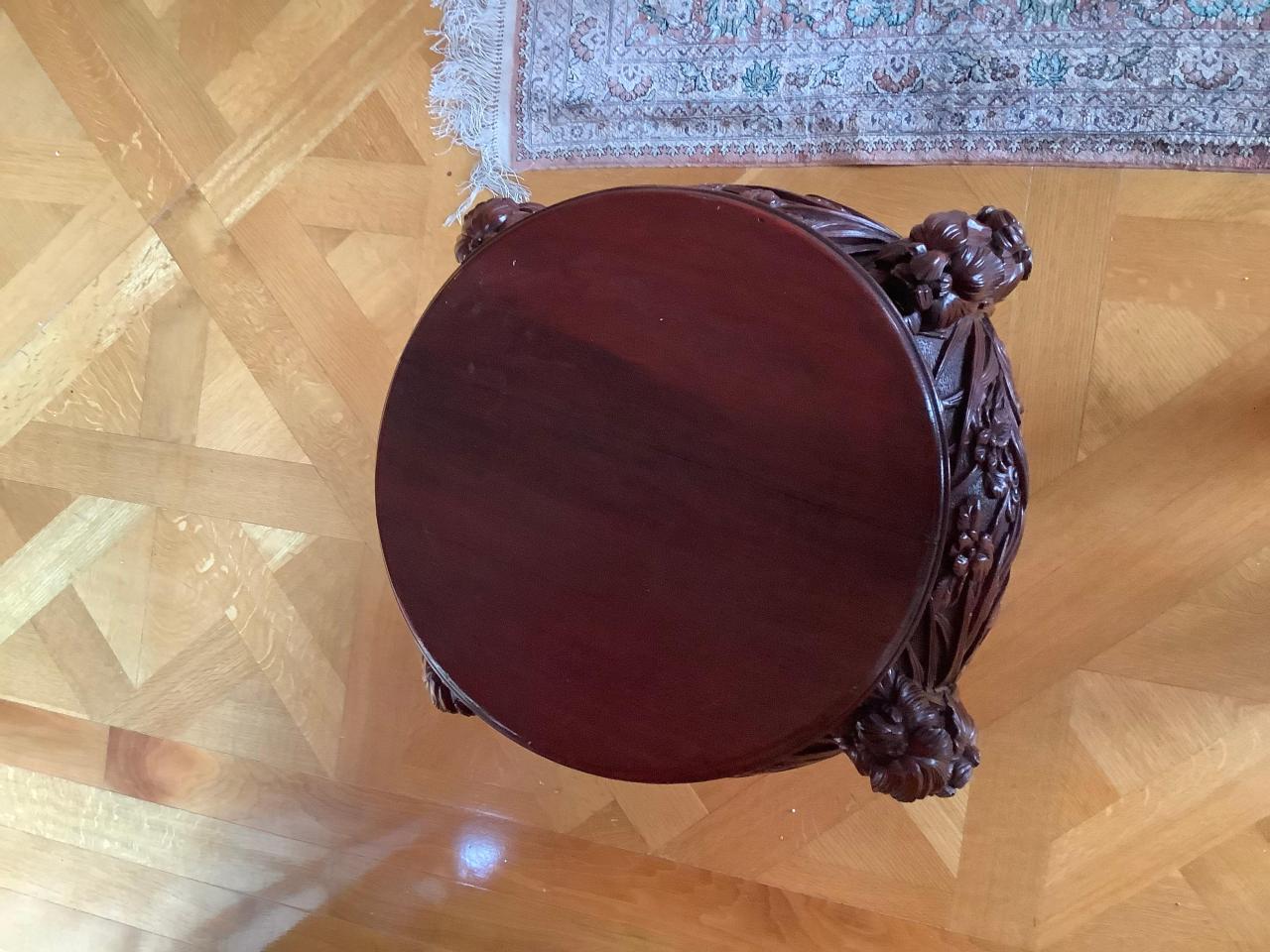
Japanese plant stands, far from mere functional objects, are deeply intertwined with the nation’s aesthetic sensibilities and cultural values. Their design embodies centuries of artistic refinement, reflecting the profound respect for nature, the emphasis on minimalism, and the pursuit of harmony with the surrounding environment. These stands are not simply ways to display plants; they are integral components of the overall aesthetic experience.Japanese aesthetics, often characterized by a delicate balance between form and function, find expression in the design of metal plant stands.
This balance is achieved through careful consideration of materials, shapes, and proportions, creating objects that are both practical and beautiful. The aesthetic philosophy is reflected in the way these stands complement the natural beauty of the plants they hold.
Cultural Significance of Plant Stands
The reverence for nature in Japanese culture permeates every aspect of life, from meticulously crafted gardens to the appreciation of seasonal changes. Plant stands, therefore, become a tangible expression of this reverence, providing a platform for the cultivation and display of living things. The careful selection of plants and their placement within the home or garden signifies a deep appreciation for the natural world and its intricate beauty.
Historically, these stands often held symbolic significance, with particular plant species representing specific virtues or qualities.
Symbolism in Metal Plant Stand Designs
Japanese metal plant stands often incorporate symbolic elements. Bamboo, for instance, is frequently featured, representing strength, flexibility, and resilience. The graceful curves of cherry blossoms might be echoed in the stand’s form, evoking the fleeting beauty of springtime. The meticulous detail in the metalwork often mirrors the dedication to craftsmanship that is fundamental to Japanese artistry. This careful consideration of symbolism enhances the stand’s aesthetic appeal and elevates it beyond a mere functional object.
Elements of Japanese Design Principles
The principles of minimalism and naturalism are frequently incorporated into the design of Japanese metal plant stands. Minimalist forms, often achieved through clean lines and uncluttered surfaces, allow the beauty of the plant to take center stage. Naturalistic designs, on the other hand, often mimic the contours of natural objects, such as leaves or branches, creating a seamless integration between the stand and the plant.
The delicate balance of these design principles results in objects that are both visually appealing and harmonious with their surroundings.
Influence of Japanese Gardens on Design and Form
The aesthetic principles of Japanese gardens profoundly influence the design and form of metal plant stands. The emphasis on balance, symmetry, and the integration of nature is evident in the design of these stands. The careful arrangement of elements within the garden space mirrors the attention to detail found in the design of plant stands, creating a unified aesthetic experience.
The concept of侘び寂び* (wabi-sabi), the beauty of imperfection and impermanence, is sometimes reflected in the subtle variations in the metalwork or the natural aging of the materials. For example, a stand might feature a slightly uneven surface or subtly rusted areas, evoking the natural passage of time and the beauty found in imperfection.
Dimensions and Sizing
Metal plant stands, like any furniture, need careful consideration of their size and dimensions to ensure both aesthetic appeal and functional practicality. Proper sizing ensures the stand complements the plant’s size and the surrounding space, preventing visual clutter or awkward proportions. This crucial element impacts the overall user experience and the longevity of the plant stand’s intended use.
Plant Stand Dimension Considerations
Determining the appropriate dimensions for a plant stand is essential for a harmonious aesthetic and practical function. Different plant types require varying amounts of space, and the stand’s dimensions must accommodate these needs. Furthermore, the stand’s dimensions should complement the surrounding environment and avoid overwhelming or understating the plants.
| Plant Type | Height (cm) | Width (cm) | Depth (cm) |
|---|---|---|---|
| Small Succulents/Air Plants | 15-25 | 20-30 | 15-25 |
| Small Hanging Plants | 25-40 | 25-40 | 20-30 |
| Medium-Sized Indoor Plants | 40-60 | 30-50 | 30-45 |
| Large Indoor Plants (e.g., Monstera, Pothos) | 60-90 | 40-70 | 40-60 |
| Potted Trees/Large Palms | 90+ | 60+ | 45+ |
Range of Dimensions for Different Plant Stand Types
The range of dimensions for different plant stand types is vast, encompassing various styles and sizes. A small, minimalist stand for a succulent might be 20 cm wide, 25 cm deep, and 25 cm tall. Conversely, a larger stand for a potted tree could span over a meter in width and height, depending on the tree’s size. This wide range allows designers to cater to diverse plant sizes and aesthetic preferences.
Comparing Dimensions of Various Plant Stands
Different plant stand types exhibit variations in dimensions. A contemporary, minimalist stand for small plants might be more compact, while a traditional, ornate stand for a large tree would likely have a larger footprint. Comparing these variations aids in selecting the most appropriate stand for the specific plant and space.
Importance of Space Limitations
Space limitations play a crucial role in designing metal plant stands. In a small apartment, a large stand would overwhelm the space, while in a spacious living room, a miniature stand might appear insignificant. Considering the available space and the plant’s size is vital for a successful design. Careful consideration of the surrounding environment’s layout and the plant’s needs prevents the plant stand from becoming an eyesore or an underutilized piece of furniture.
This awareness ensures the plant stand complements the environment harmoniously.
Maintenance and Care
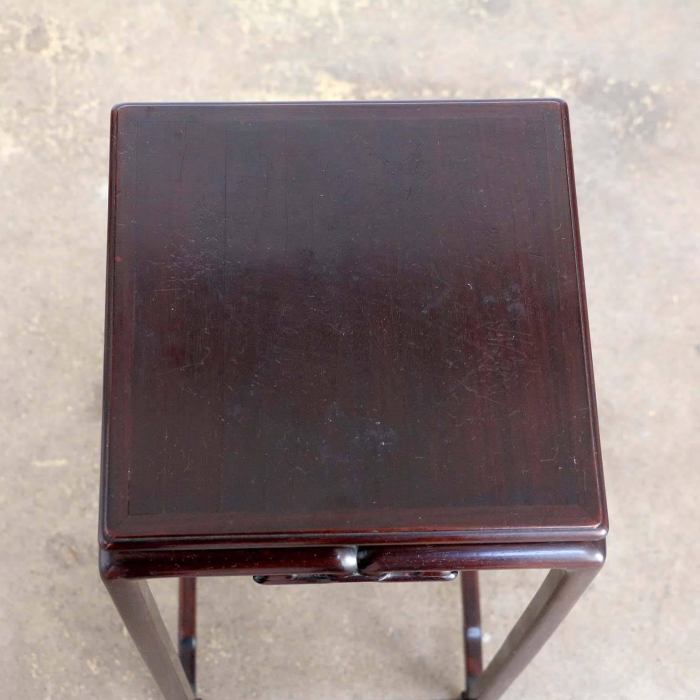
Metal plant stands, while durable, require consistent upkeep to preserve their aesthetic appeal and longevity. Proper maintenance not only extends the life of the stand but also ensures a clean and healthy environment for your plants. Neglecting these steps can lead to unsightly rust and discoloration, potentially compromising the structural integrity of the stand over time.Maintaining a metal plant stand involves a proactive approach to prevent rust and other damage.
Regular cleaning and the application of appropriate protective coatings are crucial steps in this process. Understanding the specific requirements for different metal finishes and recognizing potential problems associated with poor maintenance are essential for ensuring the stand’s longevity and value.
Rust Prevention Strategies
Regular inspection is key to preventing rust. Visual checks for any signs of moisture accumulation, particularly in crevices or shadowed areas, are essential. Promptly addressing any water pooling or condensation is vital to preventing rust initiation. Apply a rust-inhibiting sealant or a protective coating, like a clear coat, to the metal surfaces. These coatings create a barrier between the metal and the elements, slowing the oxidation process.
Choosing weather-resistant coatings will enhance the stand’s resilience in outdoor settings.
Cleaning Different Metal Finishes
Different metal finishes require different cleaning methods. For example, powder-coated stands typically only need mild soap and water, though a gentle scrub might be necessary in tough spots. For polished or stainless steel finishes, avoid abrasive cleaners or harsh scrubbing, as these can damage the finish. Use a soft cloth and a non-abrasive cleaner, like a metal polish designed for stainless steel.
Avoid harsh chemicals that can strip protective coatings.
Importance of Regular Maintenance
Regular maintenance is crucial for extending the lifespan of metal plant stands. Addressing minor issues promptly prevents them from escalating into major problems. For instance, a small patch of rust, if not treated early, can spread quickly across the entire surface, requiring extensive repair and potentially compromising the structural integrity. Regular cleaning, application of protective coatings, and visual inspections are critical for preventing these problems.
These actions not only improve the longevity of the stand but also maintain its aesthetic value.
Potential Problems from Poor Maintenance
Poor maintenance can lead to several issues, the most prominent being rust formation. Rust weakens the metal, making the stand susceptible to structural failure, especially in exposed locations. Discoloration is another concern. Different types of metal react differently to environmental factors, leading to variations in color and texture. For instance, galvanized steel might develop a dull or patchy appearance if not properly maintained.
Proper maintenance and preventative measures can minimize these problems.
Environmental Considerations
Metal plant stands, while offering aesthetic appeal and functional utility, must be assessed through an environmental lens. Sustainable materials and manufacturing processes are crucial to minimizing their ecological footprint. The choice of materials, production methods, and eventual disposal all contribute to the overall environmental impact of these products.The environmental footprint of a metal plant stand extends beyond the material itself, encompassing the entire lifecycle from raw material extraction to end-of-life disposal.
Understanding this lifecycle is essential for making informed choices about sustainability. Considerations include energy consumption during manufacturing, the carbon footprint of transportation, and the potential for reuse or recycling at the end of the stand’s lifespan.
Sustainability of Materials
The selection of materials for metal plant stands significantly impacts their environmental profile. Recycled metals, such as steel and aluminum, offer a substantial advantage over virgin materials. The energy required to extract and process raw materials is substantially reduced when utilizing recycled content. This reduction in energy consumption translates directly into a smaller carbon footprint. For instance, using recycled steel in a plant stand can reduce the carbon emissions associated with its production by 75% compared to using virgin steel.
Furthermore, the use of sustainably sourced metals like recycled aluminum, which requires less energy to produce, aligns with environmentally conscious manufacturing practices.
Eco-Friendly Manufacturing Processes
Implementing eco-friendly manufacturing processes is paramount to minimizing the environmental impact of metal plant stands. Minimizing water consumption and waste generation during the production process is crucial. Using energy-efficient machinery and optimizing the production line for reduced waste are key strategies. Furthermore, exploring alternative energy sources for the manufacturing facility, such as solar or wind power, can significantly lower the carbon footprint.
A company committed to sustainability would likely implement closed-loop systems for waste management, recycling materials within the production cycle, thereby reducing the need for external waste disposal.
Impact on the Surrounding Environment
The impact of metal plant stands on the surrounding environment is multifaceted. Manufacturing processes, if not managed sustainably, can contribute to air and water pollution. However, careful consideration of the production process, utilizing recycled materials, and energy-efficient manufacturing equipment can minimize this impact. The transportation of materials from extraction sites to the manufacturing facility and the finished product to retail locations also contributes to the overall carbon footprint.
Companies committed to sustainability often implement efficient logistics and consider alternative transportation methods, such as rail or electric vehicles, to reduce emissions. Furthermore, the disposal of the plant stand at the end of its useful life is a critical factor to consider.
Choosing Eco-Friendly Metal Plant Stands
Consumers can actively contribute to a more sustainable future by making conscious choices about the metal plant stands they purchase. Look for certifications from reputable organizations that verify the sustainability of materials and manufacturing processes. Certifications like Fair Trade or Forest Stewardship Council (FSC) can offer reassurance that the product meets certain environmental and social standards. Consider the product’s lifespan and recyclability.
Can the metal be easily recycled? Can the product be repurposed or reused? Finally, prioritize products with minimal packaging to reduce waste. Look for plant stands with minimal or recycled packaging.
Safety and Durability
Metal plant stands, while aesthetically pleasing, must prioritize safety. Ensuring stability and a robust weight capacity is paramount to prevent accidents and maintain the longevity of the product. Design considerations for stability and durability are crucial factors for the successful implementation of these stands in various environments.Stability and weight capacity are not merely desirable traits; they are essential elements in the design process.
Failure to meet these criteria could result in damage, injury, or even catastrophic failures, impacting the safety of both the plant and the user. Careful consideration of these elements is vital to create a product that is both attractive and dependable.
Stability Considerations
The structural integrity of metal plant stands is directly related to their stability. A robust base, adequate height, and strategic material placement are key. The base must be wide enough to distribute the weight of the plant and any additional items, while the height of the stand should not compromise the overall balance. The material selection plays a vital role in maintaining a secure base.
- Base Design: A wider base provides a larger contact area with the ground, enhancing stability. A triangular or square base design can distribute weight effectively, preventing tipping. A wider base, coupled with a heavier gauge metal, is a better design for a heavy plant stand compared to a slimmer, lighter stand.
- Height and Center of Gravity: A lower center of gravity inherently increases stability. Tall stands with a high center of gravity are more susceptible to tipping. Optimizing the height of the stand relative to the weight of the plant is critical.
- Material Selection: Heavier-gauge metal or thicker cross-sections provide greater structural integrity. Different types of metal alloys have varying strength characteristics, impacting the stand’s overall stability.
Methods for Ensuring Structural Integrity
Various methods can enhance the structural integrity of metal plant stands. These methods go beyond simply selecting a strong material. Rigorous testing and design strategies are vital.
- Reinforced Joints: Stronger welds or fasteners are crucial for connecting components. Reinforcing joints, particularly at stress points, prevents failure under load. Welding or bolting with additional support pieces, as needed, enhances the stand’s ability to support heavier plants.
- Rigorous Testing: Testing stands under various load conditions is essential. Static load tests are necessary to determine the weight capacity, while dynamic tests simulate real-world usage and identify potential weaknesses. These tests must be conducted using appropriate safety procedures and equipment.
- Computational Analysis: Sophisticated software can simulate the behavior of the stand under load, identifying potential weaknesses before manufacturing. Finite element analysis (FEA) can provide a precise understanding of stress distribution and predict potential failure points.
Factors Influencing Durability
The durability of a metal plant stand is influenced by a range of factors beyond the material selection. Environmental factors, manufacturing techniques, and the quality of finishes all play a significant role.
- Corrosion Resistance: Coatings and finishes that protect the metal from corrosion are essential for durability. Powder coating, electroplating, or other protective measures can significantly extend the lifespan of the stand. Choosing corrosion-resistant metals, like stainless steel, is also vital.
- Manufacturing Quality: Proper manufacturing techniques and quality control processes are critical. Consistent welds, accurately cut components, and well-finished edges all contribute to a durable stand. Quality control during each stage of manufacturing ensures that the final product meets the required durability standards.
- Environmental Exposure: Exposure to harsh weather conditions, such as extreme temperatures, moisture, and salt spray, can accelerate corrosion. Consider the expected environmental conditions and select materials and finishes accordingly. Metal stands in coastal areas, for example, will require more robust protection against salt spray.
Testing Stability of Different Designs
Testing the stability of different metal plant stand designs is crucial. These tests are essential for verifying the product’s safety. Specific tests are conducted to measure the stand’s ability to support a given load.
- Static Load Tests: Gradually increasing the load on the stand until it fails provides a quantifiable measure of its weight capacity. Monitoring the deflection or movement of the stand under load provides critical data. The load should be distributed evenly, mimicking a real-world scenario.
- Dynamic Load Tests: Simulating real-world usage conditions, such as slight vibrations or unexpected impacts, helps identify potential weaknesses in the stand’s design. This method involves introducing oscillations or other movements into the stand while measuring its response.
- Tip Resistance Tests: Measuring the force required to tip the stand provides a critical measure of stability. Testing should involve a range of potential tipping scenarios. This includes testing with different center of gravity positions, both with and without a plant on top.
Pricing and Cost Analysis
Metal plant stands, a blend of aesthetic appeal and functional utility, require careful cost analysis to ensure profitability and competitive pricing. Understanding material, labor, and manufacturing expenses is crucial for setting a fair market price that reflects the value proposition of each design. This analysis considers diverse metal types and finishes, ultimately providing a framework for determining appropriate pricing strategies.
Estimated Costs for Different Designs
Various factors influence the cost of metal plant stands, including the complexity of the design, the choice of metal, and the manufacturing processes. A simple, single-tiered stand constructed from mild steel will likely cost less than a multi-tiered stand crafted from polished stainless steel. Sophisticated designs with intricate details or unique finishes will command higher prices.
Cost of Different Metal Types and Finishes
The cost of metal significantly impacts the overall price of the plant stand. Mild steel, a common and relatively inexpensive choice, offers a basic aesthetic. Stainless steel, with its durability and corrosion resistance, carries a higher price tag. Aluminum, lightweight and readily available, presents a cost-effective alternative. Finishes further influence pricing.
A simple powder coat finish is less expensive than a high-quality, hand-applied paint job or a mirror-polished surface.
Cost Comparison Chart
The following table offers a comparative overview of costs, highlighting the impact of design and materials on the final price. It’s important to note these are estimates and will vary based on specific design choices, production volume, and market conditions.
| Plant Stand Design | Metal Type | Finish | Estimated Cost (USD) |
|---|---|---|---|
| Simple Single Tier | Mild Steel | Powder Coat | $25 – $50 |
| Multi-Tiered Design | Stainless Steel | Polished | $75 – $150 |
| Modern, Sculptural Stand | Aluminum | Anodized | $60 – $120 |
Determining a Fair Market Price
Establishing a fair market price requires careful consideration of numerous factors. Competitor pricing, perceived value, and the quality of materials and craftsmanship all play crucial roles. A thorough market analysis is essential. A price that is too low might compromise profitability, while a price that is too high could limit sales. Understanding the target market and their willingness to pay is crucial.
“Pricing should be a balance between reflecting the cost of production and capturing the value perceived by the customer.”
Analyzing comparable products on the market, identifying unique selling propositions, and assessing customer demand are crucial components of this process. Examples include analyzing prices for similar plant stands in online retailers or specialized design showrooms, and analyzing customer reviews to understand their expectations and perceived value. This should help create a pricing strategy that optimizes profitability and market competitiveness.
Outcome Summary
In conclusion, Japanese metal plant stands represent a harmonious convergence of cultural heritage, modern design principles, and practical functionality. The meticulous craftsmanship, attention to detail, and thoughtful design choices make these stands not just functional objects, but also beautiful expressions of Japanese aesthetics. Whether you prefer a minimalist, traditional, or contemporary style, there’s a Japanese metal plant stand to enhance your space.
