
The humble garbage disposal, a kitchen workhorse, often silently battles a war of food scraps and lingering odors. But what happens when this essential appliance starts to fight back with unpleasant smells? This guide will navigate the often-overlooked world of garbage disposal maintenance, transforming a potential kitchen nuisance into a source of cleanliness and freshness.
From understanding the root causes of disposal odors – often stemming from trapped food particles and bacterial growth – to mastering effective cleaning techniques, we’ll cover every aspect of keeping your disposal in top condition. We’ll explore the best practices for safety, the most effective cleaning methods, and how to maintain a regular cleaning schedule, ensuring your kitchen remains a haven of pleasant aromas.
Understanding the common causes of a stinky garbage disposal helps to keep your kitchen smelling fresh and clean.
A foul odor emanating from your garbage disposal is a common kitchen complaint, often indicating a build-up of decaying food waste. Understanding the root causes of these unpleasant smells is the first step toward maintaining a clean and odor-free kitchen environment. Several factors contribute to this problem, ranging from the types of food disposed of to how the disposal is used and maintained. Identifying these issues will allow you to proactively address them, preventing future odors and ensuring your disposal functions efficiently.
Causes of Unpleasant Odors
The primary culprit behind a stinky garbage disposal is the decomposition of food particles that remain trapped within the unit. This process is exacerbated by several factors, including the type of food disposed of, the frequency of use, and the presence of moisture. When food waste breaks down, it releases gases that contribute to the offensive smells. Bacteria thrive in the moist environment within the disposal, accelerating the decomposition process and intensifying the odors. The design of the disposal itself, with its crevices and hard-to-reach areas, also provides ample space for food particles to accumulate and decompose.
Food Types Contributing to Foul Smells
Certain food items are more likely to cause odors than others. These foods tend to be high in protein, fat, or have a tendency to stick to the disposal’s components.
- Protein-rich foods: Meats, poultry bones, and seafood are significant contributors to bad smells. These items decompose rapidly, releasing sulfur-containing compounds that create a distinct rotten egg smell. For example, a small piece of chicken left in the disposal can start to decompose within hours, leading to noticeable odors. Shrimp shells, fish bones, and meat scraps are other examples.
- Fatty and Oily Foods: Grease, cooking oil, and butter can solidify within the disposal and the drain pipes, trapping food particles and creating a breeding ground for bacteria. This can lead to a rancid odor. The problem is that fat does not break down easily in the disposal and tends to coat the blades and the interior surfaces.
- Starchy Foods: Rice, pasta, and bread can become sticky when mixed with water and can easily clog the disposal. These items can ferment and contribute to sour or musty smells. These foods, when wet, form a paste that adheres to the disposal’s interior, hindering proper drainage and promoting bacterial growth.
- Vegetable Waste: Certain vegetables, particularly onion skins, garlic peels, and celery stalks, can also contribute to unpleasant odors. These items often contain strong-smelling compounds that persist even after the food has broken down. These tough, fibrous vegetables can also get caught in the disposal, hindering its operation and contributing to the smell.
Food particles, trapped in the disposal’s chamber, create an ideal environment for bacterial growth. These bacteria feed on the organic matter, breaking it down and producing gases like hydrogen sulfide (rotten egg smell) and other volatile organic compounds. This process is accelerated by the presence of moisture and the warm temperature inside the disposal. The longer the food waste remains, the more intense the odor becomes. Regular cleaning and proper disposal practices can help prevent this accumulation and the resulting foul smells.
Preparing your workspace is a crucial first step when getting ready to clean your garbage disposal effectively.

Cleaning a garbage disposal, while seemingly straightforward, demands a cautious approach. Neglecting safety and proper preparation can lead to injury or damage. Before you even consider reaching for cleaning agents, taking the time to set up your workspace correctly is paramount. This initial stage significantly influences the overall success and safety of the cleaning process.
Essential Safety Precautions Before Cleaning
Prioritizing safety is non-negotiable when dealing with a garbage disposal. These appliances, though seemingly innocuous, pose potential hazards. Adhering to these precautions will minimize risks and ensure a safe cleaning experience.
The first and most critical step is to disconnect the power supply to the garbage disposal. This can be achieved in one of two ways: either by flipping the circuit breaker that controls the disposal or by unplugging the unit from the electrical outlet.
Always prioritize disconnecting the power source before any cleaning or maintenance to prevent electrical shock.
Ensure the power is completely off and remains off throughout the cleaning process.
After disconnecting the power, visually inspect the garbage disposal chamber. Use a flashlight to illuminate the interior, allowing you to identify any obstructions or foreign objects that may be present. Never insert your hand into the disposal without first ensuring the power is off. If you observe any large items, like silverware or bottle caps, use tongs or pliers to carefully remove them. Avoid using your bare hands at all costs.
Wear appropriate protective gear. This includes safety glasses to shield your eyes from splashes and debris, and rubber gloves to protect your hands from harsh cleaning agents and potential sharp objects. Consider wearing a face mask if you are sensitive to strong odors or cleaning chemicals. The protective gear acts as a barrier, preventing direct contact with potentially harmful substances and objects.
Be mindful of the cleaning agents you select. Avoid mixing different cleaning products, as this can create dangerous chemical reactions. Always read and follow the manufacturer’s instructions for any cleaning product you intend to use. Some cleaning agents can be corrosive or emit harmful fumes. Ensure adequate ventilation in the kitchen by opening windows and turning on the exhaust fan. If you are unsure about a cleaning product’s safety, err on the side of caution and consult a professional.
Necessary Tools and Materials for Cleaning
Having the right tools and materials streamlines the cleaning process, making it more efficient and effective. A well-prepared workspace includes both common household items and specialized cleaning products.
Gather the following items:
- Rubber Gloves: Protect hands from cleaning agents and potential sharp objects.
- Safety Glasses: Shield eyes from splashes and debris.
- Tongs or Pliers: For removing large objects from the disposal chamber.
- Flashlight: To illuminate the disposal interior.
- Dish Soap: For general cleaning and degreasing.
- Baking Soda: A natural deodorizer and mild abrasive.
- White Vinegar: A natural cleaning agent and deodorizer.
- Ice Cubes: For scrubbing the disposal blades.
- Lemon or Lime Wedges (Optional): For added fragrance and cleaning power.
- Garbage Disposal Cleaner (Optional): Specialized cleaning products designed for garbage disposals.
- Scrub Brush or Old Toothbrush: For cleaning around the disposal opening.
- Small Bucket or Basin: For mixing cleaning solutions.
Protecting the Surrounding Area
Preventing spills and splashes is essential to maintain a clean and safe workspace. Taking these precautions protects your sink, countertops, and surrounding areas from potential damage.
To safeguard your kitchen, implement these measures:
- Clear the Sink: Remove all dishes, utensils, and other items from the sink basin.
- Cover the Drain Opening: Place a stopper or plug in the drain opening to prevent debris from entering the drainpipe.
- Protect Countertops: Place a towel or absorbent mat around the base of the garbage disposal to catch any spills or drips.
- Ventilate the Area: Open windows and turn on the exhaust fan to ensure adequate ventilation and minimize the buildup of cleaning product fumes.
- Prepare Cleaning Solutions in a Designated Area: Mix cleaning solutions in a small bucket or basin away from the sink area to prevent accidental spills on countertops.
- Have Paper Towels or a Cleaning Cloth Readily Available: For immediate cleanup of any spills or splashes.
Employing a baking soda and vinegar cleaning method can effectively refresh your garbage disposal.
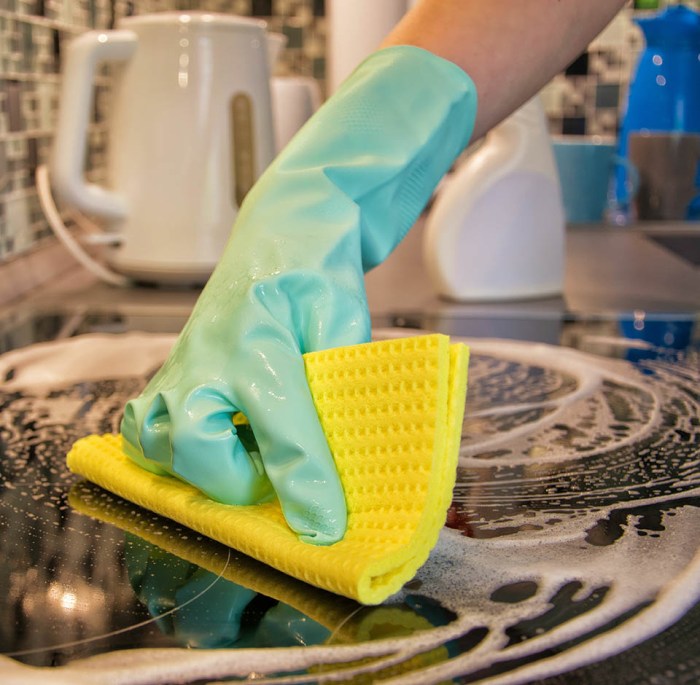
The kitchen sink’s garbage disposal, a workhorse of modern convenience, often bears the brunt of food scraps and debris. Over time, these remnants can decompose, leading to unpleasant odors and potential clogs. Fortunately, a simple and readily available solution exists: the baking soda and vinegar cleaning method. This approach offers a natural and effective way to deodorize and refresh your disposal, keeping your kitchen smelling clean and your sink functioning smoothly.
Cleaning Your Garbage Disposal with Baking Soda and Vinegar
This process is straightforward and requires minimal supplies. It’s a proactive measure that can be incorporated into your regular kitchen cleaning routine, ensuring your disposal remains in optimal condition.
- Gather Your Supplies: The required items are few and easily accessible. You will need:
- 1 cup of baking soda
- 2 cups of white vinegar
- Ice cubes (optional, but recommended)
- Hot water
- Initial Rinse: Begin by running cold water into the disposal for about 15-20 seconds. This helps flush out any loose debris that might be clinging to the blades or the chamber. This step prepares the disposal for the cleaning process and ensures that the cleaning solution can effectively reach the areas needing attention.
- Introduce the Baking Soda: Carefully pour the 1 cup of baking soda down the drain. Baking soda is a mild abrasive and a natural deodorizer, helping to lift away grime and neutralize odors.
- Add the Vinegar: Slowly pour the 2 cups of white vinegar into the disposal. The vinegar will react with the baking soda, creating a fizzing action. This effervescent reaction is key to loosening debris and scrubbing the internal components of the disposal.
- Allow the Reaction: Let the mixture fizz and bubble for approximately 15-20 minutes. During this time, the baking soda and vinegar will work their magic, breaking down food particles and dissolving grease buildup.
- Rinse Thoroughly: After the 15-20 minutes, flush the disposal with hot water for at least a minute. This step removes the remaining baking soda, vinegar, and any loosened debris. The hot water helps to dissolve any remaining grease and ensures a complete clean.
- Optional Ice Cube Treatment: For added cleaning power and to sharpen the blades, you can add ice cubes to the disposal and run it for about 30 seconds. This helps dislodge any stubborn debris and further cleans the disposal’s internal components.
- Final Rinse: Finally, run cold water into the disposal for another 15-20 seconds to rinse away any remaining residue. This step ensures that the disposal is completely clean and ready for use.
The chemical reaction between baking soda (a base) and vinegar (an acid) produces carbon dioxide gas, which helps to dislodge debris and clean the disposal.
Comparison of Cleaning Methods
Choosing the right method to clean your garbage disposal depends on several factors, including the severity of the problem and the desired outcome. The following table provides a comparison of the baking soda and vinegar method with other common cleaning approaches.
| Cleaning Method | Pros | Cons |
|---|---|---|
| Baking Soda and Vinegar |
|
|
| Commercial Disposal Cleaners |
|
|
| Boiling Water |
|
|
| Dish Soap and Hot Water |
|
|
Utilizing ice cubes and citrus fruits can naturally cleanse and deodorize your garbage disposal.
Maintaining a fresh-smelling kitchen often hinges on the cleanliness of your garbage disposal. While baking soda and vinegar offer a robust cleaning solution, a natural and readily available method involves the strategic use of ice cubes and citrus fruits. This technique leverages the abrasive action of ice and the aromatic properties of citrus to effectively dislodge debris and neutralize unpleasant odors, offering a simple yet effective approach to garbage disposal maintenance.
How Ice Cubes and Citrus Fruits Clean and Deodorize
The combined action of ice cubes and citrus fruits provides a dual-pronged approach to garbage disposal cleaning. Ice cubes act as a mechanical cleaner, helping to physically scrub away food particles and grease buildup that cling to the disposal’s blades and inner chamber. As the ice grinds against the disposal’s components, it dislodges stuck-on debris. Simultaneously, citrus fruits contribute their natural cleaning and deodorizing properties. Citrus peels contain essential oils rich in limonene, a natural solvent known for its ability to dissolve grease and break down food particles. Furthermore, the strong, pleasant fragrance of citrus masks and neutralizes foul odors, leaving behind a fresh, clean scent. This combined approach is not only effective but also environmentally friendly, utilizing readily available, natural ingredients.
Effective Citrus Fruit Types and Their Benefits
The choice of citrus fruit significantly impacts the effectiveness of this cleaning method. Certain fruits offer superior cleaning and deodorizing capabilities due to their higher concentration of essential oils and potent fragrances.
- Lemons: Lemons are a classic choice due to their high acidity and abundant limonene content. Their strong, refreshing scent effectively combats odors, and their acidic nature helps to break down grease and food residue.
- Limes: Limes provide a similar cleaning action to lemons, with a slightly different aroma. Their essential oils are also effective at dissolving grease and neutralizing odors, contributing a fresh, zesty scent to the disposal.
- Oranges: Oranges offer a sweeter, more subtle fragrance compared to lemons and limes. While slightly less acidic, their peels still contain limonene and other essential oils that aid in cleaning and deodorizing. Oranges also tend to provide a longer-lasting fragrance.
- Grapefruits: Grapefruits are a powerful option, with a tart, invigorating scent. Their high acidity and abundant essential oils make them effective at both cleaning and deodorizing, offering a robust cleaning experience.
Step-by-Step Procedure for Using Ice Cubes and Citrus Fruits
Implementing this cleaning method is straightforward and requires minimal preparation. Regular use, ideally every one to two weeks, will help maintain a fresh and clean garbage disposal.
- Prepare the Ingredients: Gather approximately 10-15 ice cubes and the peels of one to two citrus fruits. Cut the citrus peels into smaller, manageable pieces to facilitate grinding.
- Run Cold Water: Turn on the cold water tap, allowing a steady stream to flow into the disposal. The cold water is crucial for solidifying grease and preventing it from sticking to the pipes.
- Add the Ingredients: With the water running, slowly feed the ice cubes and citrus peels into the garbage disposal.
- Operate the Disposal: Turn on the garbage disposal and let it run for approximately 1-2 minutes, or until all the ice and citrus peels have been completely ground.
- Flush and Rinse: After the grinding is complete, let the cold water run for an additional 30 seconds to flush out any remaining debris and ensure the pipes are clear.
Disassembling and thoroughly cleaning your garbage disposal is a more intensive approach for maintaining cleanliness.
Maintaining a fresh-smelling kitchen often requires more than just superficial cleaning of your garbage disposal. While baking soda and vinegar offer a quick refresh, a deep clean, involving disassembly, is sometimes necessary to remove stubborn debris and eliminate persistent odors. This process, while more involved, provides a comprehensive cleaning that can significantly extend the life and efficiency of your appliance. It’s a task best undertaken when simpler methods prove inadequate or when you suspect a significant buildup of food waste.
Disassembling the Garbage Disposal Safely
Disassembling a garbage disposal requires caution and a methodical approach to ensure both your safety and the integrity of the appliance. Before you begin, always disconnect the power supply. This is crucial to prevent electrical shock. Locate the circuit breaker that controls the garbage disposal and switch it off. As an extra safety measure, you can also unplug the disposal from the outlet, although this is usually more difficult.
The next step involves removing any standing water or visible debris from the disposal chamber. Use tongs or pliers to carefully extract any large items. It’s important to be thorough, but avoid forcing anything, which could damage the blades or impeller.
Now, you can begin the disassembly process. The exact steps will vary slightly depending on the model of your garbage disposal, but the general procedure is similar.
- Disconnecting the Drainpipe: Locate the drainpipe connection at the bottom of the disposal. Loosen the slip-joint nut that secures the drainpipe to the disposal. Have a bucket or container ready to catch any residual water. Carefully detach the drainpipe, being mindful of any remaining water or debris that might spill out.
- Removing the Mounting Assembly: The garbage disposal is typically attached to the sink flange via a mounting assembly. This usually consists of a mounting ring, a support ring, and screws. Depending on the model, you may need to loosen screws or rotate a locking ring to detach the disposal from the sink flange. Refer to your disposal’s manual for specific instructions.
- Separating the Disposal Body: Once the mounting assembly is detached, carefully lower the disposal from beneath the sink. Be prepared for some weight. The disposal unit is now free and ready for further cleaning.
Remember to consult your garbage disposal’s manual for specific instructions, as designs vary. This guide provides a general overview, and safety should always be your top priority.
Cleaning the Components of the Garbage Disposal
Once disassembled, the individual components of your garbage disposal require different cleaning approaches. The effectiveness of each method depends on the type of material and the level of buildup.
- The Grinding Chamber: This is the heart of the disposal and often the dirtiest part. Use a scrub brush, preferably one with stiff bristles, and warm, soapy water to thoroughly clean the interior of the grinding chamber. Pay close attention to the blades and the walls of the chamber, where food particles can accumulate. You can also use a mixture of baking soda and vinegar to help loosen stubborn debris. Rinse the chamber thoroughly with clean water after scrubbing.
- The Impeller and Blades: Carefully inspect the impeller and blades for any stuck food particles or debris. Use tongs or pliers to remove any large items. Be extremely cautious when working around the blades. Use a small brush or a toothbrush to scrub the blades and impeller, removing any remaining residue. Again, rinse thoroughly with clean water.
- The Drainpipe Connection: Clean the drainpipe connection thoroughly. This area can often harbor significant buildup. Use a brush and soapy water to scrub the inside of the connection, removing any grease or food particles. Rinse with clean water.
- The Mounting Assembly: The mounting assembly may also require cleaning, depending on its material and construction. Wash the mounting ring, support ring, and other components with warm, soapy water. Rinse and dry thoroughly before reassembling.
For particularly stubborn stains or odors, consider using a commercial garbage disposal cleaner. However, always follow the manufacturer’s instructions carefully.
Reassembling the Garbage Disposal Correctly
Reassembling the garbage disposal correctly is as important as the cleaning process itself. Incorrect reassembly can lead to leaks, malfunctions, or even damage to the appliance.
- Connecting the Mounting Assembly: Begin by reattaching the mounting assembly to the sink flange. Refer to your disposal’s manual for specific instructions on how to secure the mounting ring and support ring. Ensure the assembly is securely fastened and that there are no gaps.
- Attaching the Disposal Body: Carefully lift the disposal body and align it with the mounting assembly. Secure the disposal to the mounting assembly by tightening the screws or rotating the locking ring, depending on your model. Ensure the disposal is securely attached and that it hangs level.
- Reconnecting the Drainpipe: Reconnect the drainpipe to the disposal’s outlet. Ensure the connection is tight to prevent leaks. Tighten the slip-joint nut securely.
- Checking for Leaks and Functionality: Once the disposal is reassembled, turn the water on and check for any leaks around the connections. Then, restore power to the disposal by switching the circuit breaker back on or plugging the disposal back into the outlet. Test the disposal by running water and grinding some ice cubes or citrus peels. This will help to flush out any remaining debris and ensure the blades are functioning correctly.
If you encounter any difficulties or are unsure about any step, consult your garbage disposal’s manual or consider contacting a qualified plumber.
Addressing the common problems that can arise during the garbage disposal cleaning process helps to avoid complications.
Cleaning a garbage disposal, while seemingly straightforward, can present a variety of challenges. These issues, if unaddressed, can range from minor inconveniences to more significant mechanical problems, potentially leading to costly repairs. Understanding these potential pitfalls and knowing how to navigate them is crucial for a successful and safe cleaning process, ensuring the longevity and efficient operation of your kitchen appliance.
Common Problems and Solutions
Several issues can arise during garbage disposal cleaning. Identifying these problems and understanding their solutions is key to a smooth and effective cleaning experience. Here are five common problems, along with their corresponding solutions:
- Clogged Disposal: Clogs are perhaps the most frequent problem encountered. Food scraps, particularly fibrous vegetables, bones, and large quantities of coffee grounds, are common culprits.
- Solution: Begin by turning off the power to the disposal at the circuit breaker for safety. Use tongs or pliers to carefully remove any visible obstructions. Avoid using your hands. Try running cold water while activating the disposal for a few seconds. If the clog persists, use a plunger specifically designed for garbage disposals, creating a seal over the drain opening and plunging vigorously. Avoid using chemical drain cleaners, as they can damage the disposal’s components. Consider a commercial disposal cleaner designed to break down food buildup. If the clog is severe, you might need to disassemble the disposal to remove the obstruction.
- Jammed Blades: The blades of the garbage disposal can become jammed by hard objects or large pieces of food that get lodged.
- Solution: Turn off the power at the breaker. Locate the reset button, usually a small red button on the bottom of the disposal. Press this button to reset the motor. If the motor still doesn’t run, use a hex wrench (often provided with the disposal) to manually rotate the blades. Insert the wrench into the hole at the bottom of the disposal and turn it back and forth to dislodge any obstructions. Be patient and persistent. If the blades are still jammed, it might indicate a more serious problem requiring professional repair.
- Foul Odors Persisting: Even after cleaning, unpleasant smells can linger. This often indicates trapped food particles or bacterial growth.
- Solution: Thoroughly clean the disposal. Run cold water and the disposal while dropping in ice cubes and citrus peels (lemon, lime, or orange). The ice helps to dislodge debris, and the citrus peels provide a natural deodorizer. Follow up with a baking soda and vinegar treatment: Pour about a half-cup of baking soda down the drain, followed by a cup of white vinegar. Let it fizz for about 30 minutes, then flush with hot water. Consider using a garbage disposal cleaner specifically designed to eliminate odors. If the smell persists, the disposal may need a more thorough cleaning or even replacement.
- Water Leaks: Leaks can occur at various points, including the connection to the sink drain or the disposal’s housing.
- Solution: First, turn off the power. Inspect all connections for any signs of damage or loose fittings. Tighten any loose connections using a wrench. If you find a leak at the sink flange, you might need to replace the putty seal. If the leak originates from the disposal itself, it could be due to a crack in the housing or a damaged seal, necessitating replacement. Always check the rubber gasket between the disposal and the sink. Sometimes, a simple tightening is enough to stop the leak. However, if the leak is substantial or the disposal is old, professional help is recommended.
- Electrical Issues: Problems with the motor or wiring can occur, particularly if the disposal is frequently overloaded or experiences power surges.
- Solution: Always turn off the power at the circuit breaker before investigating any electrical issues. If the disposal doesn’t start, check the circuit breaker to ensure it hasn’t tripped. If the breaker is fine, check the power cord and outlet for any damage. If the motor is humming but not running, it might be jammed (see above). If the motor doesn’t hum at all, there might be a problem with the motor itself or the wiring. Electrical issues should always be addressed by a qualified electrician to prevent electrocution or further damage. Avoid attempting to repair the motor yourself unless you have the necessary electrical expertise.
What to Do if the Garbage Disposal Becomes Jammed
A jammed garbage disposal can be a frustrating problem. Here’s a detailed approach for safe and effective removal of obstructions:
- Safety First: The initial and most crucial step is to turn off the power to the disposal at the circuit breaker. This prevents accidental activation while you are working on it.
- Visual Inspection: Use a flashlight to carefully look inside the disposal chamber. Avoid reaching into the disposal with your hands.
- Remove Visible Obstructions: Use tongs, pliers, or long-handled kitchen utensils to remove any visible objects, such as bones, silverware, or large pieces of food.
- The Hex Wrench Method: Locate the hex wrench port, usually at the bottom of the disposal. Insert the hex wrench and turn it back and forth to manually rotate the blades. This can help dislodge any smaller obstructions.
- Reset Button: Locate the reset button (usually red) on the bottom of the disposal. Press the button to reset the motor.
- Cold Water and Activation: Turn on the cold water and briefly activate the disposal. The cold water helps to flush away any remaining debris.
- Plunging (If Necessary): If the disposal is still jammed, use a plunger specifically designed for garbage disposals. Create a good seal over the drain opening and plunge vigorously.
- Persistence and Patience: It may take several attempts to dislodge the obstruction. Be patient and persistent.
- Professional Help: If all else fails, or if you are uncomfortable working on the disposal, contact a qualified plumber. Attempting to force the disposal can cause further damage.
Things to Avoid While Cleaning Your Garbage Disposal
To ensure the safety and effectiveness of the cleaning process, certain practices should be avoided. These mistakes can lead to injury, damage to the disposal, or ineffective cleaning. Here is a bullet-point list of what to avoid:
- Never Put Your Hand in the Disposal: This is a cardinal rule. Always turn off the power and use tongs or pliers to remove obstructions.
- Avoid Harsh Chemicals: Do not use drain cleaners or other harsh chemicals, as they can damage the disposal’s components and pose a safety risk.
- Do Not Overload the Disposal: Avoid putting large amounts of food waste into the disposal at once. Feed the waste gradually while running cold water.
- Do Not Grind Non-Food Items: Never grind glass, metal, plastic, or other non-food items, as they can damage the blades and motor.
- Do Not Use Hot Water While Grinding: Hot water can melt grease and cause it to solidify in the drain, leading to clogs.
- Avoid Ignoring Unusual Noises: If the disposal makes unusual noises, such as grinding or humming, turn it off immediately and investigate the cause.
- Do Not Operate the Disposal Without Water: Always run cold water while operating the disposal to help flush the waste and prevent clogs.
- Do Not Use Excessive Force: If the disposal is jammed, avoid using excessive force. It’s better to call a plumber than to damage the unit further.
- Avoid Ignoring Leaks: Address any leaks immediately. Leaks can cause water damage and electrical hazards.
- Do Not Assume a Quick Fix: Some problems require professional attention. Don’t hesitate to call a plumber if you are unsure about how to proceed.
Maintaining a regular cleaning schedule will help you prevent future issues with your garbage disposal.
Establishing a consistent cleaning routine is paramount for the long-term health and efficiency of your garbage disposal. Regular maintenance not only eliminates unpleasant odors but also prevents the build-up of food debris, which can lead to clogs and potential mechanical failures. By incorporating cleaning into your kitchen habits, you can extend the lifespan of your appliance and maintain a fresh, odor-free environment.
Recommended Cleaning Frequency and Schedule Integration
The optimal cleaning frequency for your garbage disposal hinges on your usage patterns and the types of food waste you typically discard. Households with frequent cooking and disposal of food scraps, especially those containing fats, oils, and grease (FOG), may necessitate more frequent cleaning.
For most households, a general guideline is to clean the garbage disposal at least once a week. This frequency can be adjusted based on the following considerations:
* Infrequent Usage: If you rarely use your garbage disposal, cleaning every two weeks might suffice. However, it’s still advisable to flush it with hot water and run the disposal briefly after each use to prevent residue build-up.
* Moderate Usage: For moderate usage, such as disposing of vegetable scraps, fruit peels, and small amounts of food waste a few times a week, a weekly cleaning is recommended.
* Heavy Usage: If you frequently use your garbage disposal for large amounts of food waste, including meat scraps, bones, and greasy foods, you should clean it at least twice a week. In some cases, daily flushing with hot water and a brief disposal run may be necessary.
To seamlessly integrate cleaning into your kitchen routine, consider the following schedule:
* Daily: After each use, flush the disposal with hot water for at least 30 seconds. This helps to rinse away food particles and prevent them from accumulating.
* Weekly: Perform a more thorough cleaning using one of the methods described in the table below. This could involve using baking soda and vinegar, ice cubes and citrus fruits, or a commercial garbage disposal cleaner.
* Monthly: Consider a deeper cleaning, potentially including disassembling and cleaning the disposal (if you are comfortable with this process).
By adhering to this schedule, you can proactively maintain a clean and functional garbage disposal, minimizing the risk of unpleasant odors, clogs, and costly repairs.
Cleaning Method and Frequency Table
The following table Artikels different cleaning methods, their recommended frequency, and the expected outcomes. Choosing the right method and frequency can significantly impact the effectiveness of your cleaning efforts.
| Cleaning Method | Frequency | Expected Outcome | Notes |
|---|---|---|---|
| Hot Water Flush | After each use | Rinses away food particles, prevents residue build-up. | Ensure water is hot but not boiling to avoid damaging the disposal. |
| Baking Soda and Vinegar | Weekly | Neutralizes odors, loosens debris, and cleans the disposal chamber. | Pour 1/2 cup baking soda, followed by 1 cup vinegar. Let it fizz for 5-10 minutes, then flush with hot water. |
| Ice Cubes and Citrus Fruits | Weekly or Bi-weekly | Grinds away food particles, deodorizes, and freshens the disposal. | Grind a tray of ice cubes made with water and citrus fruit peels. |
| Disassembly and Deep Cleaning | Monthly or as needed | Thoroughly cleans the entire disposal, removing stubborn debris and buildup. | Requires turning off the power and following the manufacturer’s instructions. Use caution. |
Closure
In conclusion, a clean garbage disposal is more than just a convenience; it’s a key component of a fresh and inviting kitchen. By understanding the causes of odors, employing the right cleaning methods, and adhering to a regular maintenance schedule, homeowners can effectively combat unpleasant smells and extend the lifespan of their disposal. Armed with this knowledge, you can confidently tackle the task of cleaning your garbage disposal, ensuring a consistently clean and odor-free kitchen environment.
